3

The Nature of Academic Competition

What Is Academic Competition?

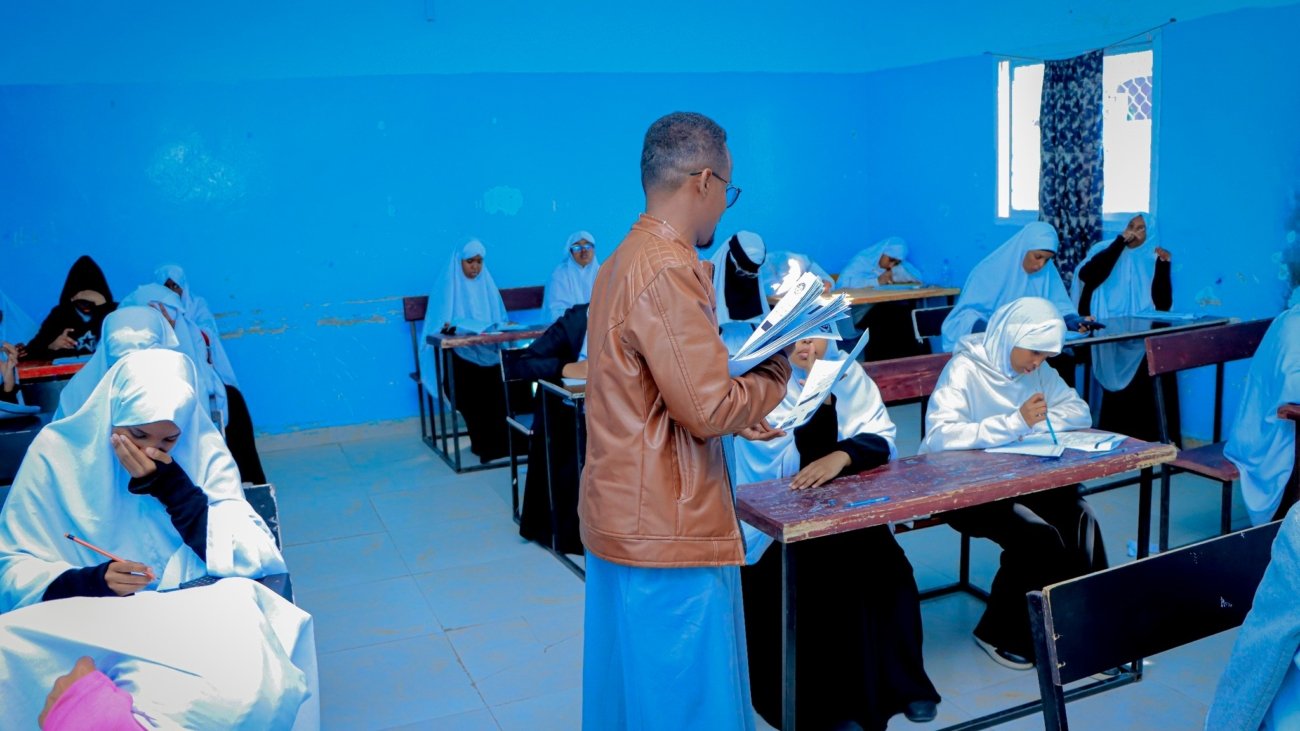
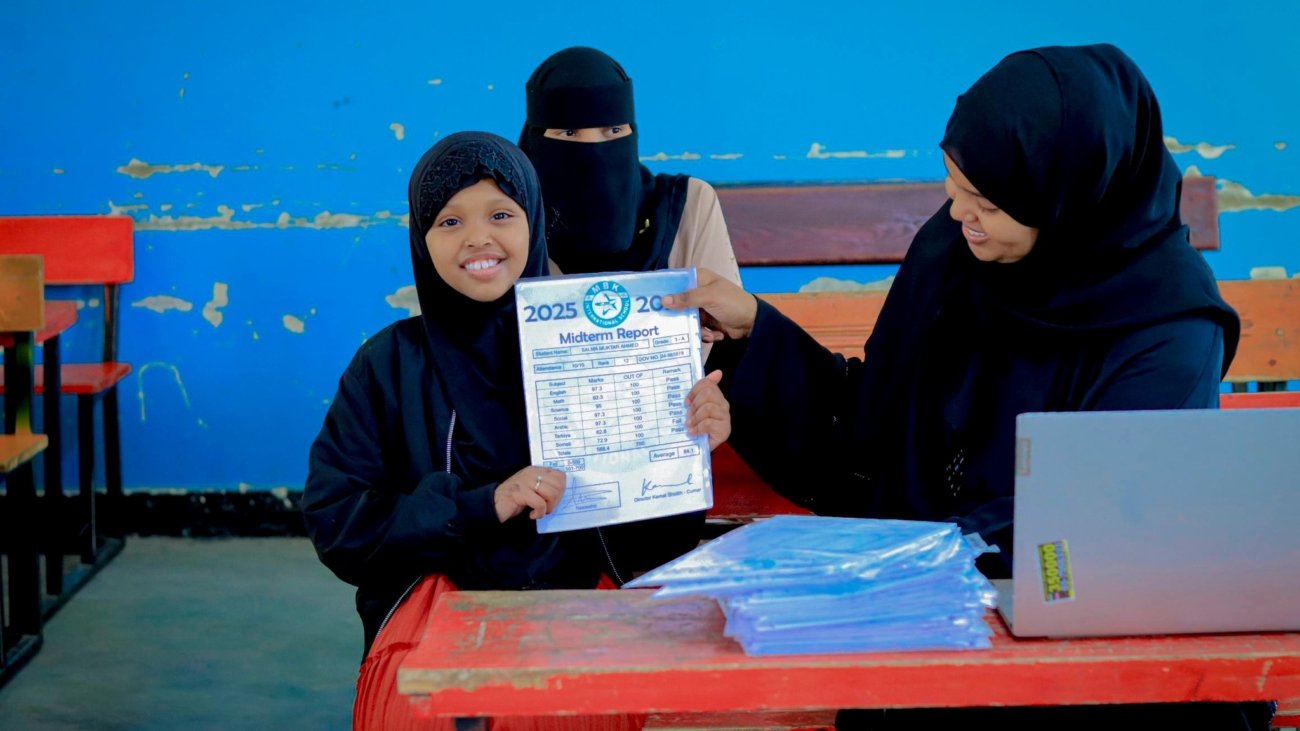
Academic competition occurs when students are compared against each other based on educational performance. This comparison can be formal—like class rankings, awards, or competitive admissions—or informal—like students comparing test scores, teacher feedback, or who finished first.

Competition exists on a spectrum. At one end is healthy competition—students striving to do their best while respecting and supporting classmates. At the other end is unhealthy competition—students seeing classmates as obstacles, defining success by others’ failure, and experiencing anxiety and stress around performance.

Most educational settings contain elements of both, and the line between them depends on school culture, teacher practices, and family attitudes.

Why Competition Exists in Education

Competition is deeply embedded in educational systems for several reasons:

Historical tradition — Schools have always ranked and sorted students. From one-room schoolhouses to modern universities, comparison has been part of education.

Resource scarcity — Limited spots in advanced programs, scholarships, and college admissions create genuine competition for opportunities.

Motivation theory — Some educators believe competition motivates students to work harder and achieve more.

Preparation for life — The argument that students need to learn to compete because the “real world” is competitive.

Measurement convenience — Ranking students is easier than understanding their individual growth and potential.

These factors mean competition isn’t going away. The question isn’t whether to have competition, but how to ensure it serves students rather than harming them.


The Potential Benefits of Academic Competition

When managed well, competition can offer genuine benefits for students.

Motivation and Effort

For some students, competition sparks motivation. The desire to perform well compared to peers can inspire extra effort, deeper engagement, and persistence through difficulty. A student might study longer for an exam because they want to be among the top scorers. They might revise an essay multiple times because they see classmates producing excellent work.

This motivation can be particularly powerful when it comes from within—when students set personal goals to improve their standing based on their own aspirations rather than external pressure.

Clarity About Strengths and Weaknesses

Competition provides information. When students see how their performance compares to others, they gain insight into their relative strengths and areas for growth. A student who consistently scores below average in math receives clear signals about where to focus effort. A student who excels in writing gains confidence that can fuel further development.

This information is most valuable when it’s specific and constructive—when it points toward improvement rather than simply labeling students as winners or losers.

Preparation for Competitive Environments

Love it or hate it, competition exists in higher education and careers. College admissions are competitive. Job markets are competitive. Many professions involve competing for positions, clients, grants, or promotions.


6

Importance of Culture Day for Students

In schools around the world, there is one day each year that looks and feels different from all the others. Hallways burst with color. The air fills with unfamiliar music and enticing aromas. Children arrive dressed in clothing that tells stories—fabrics and patterns passed down through generations, styles that connect them to ancestors they never met. This is Culture Day, and while it may appear to be simply a celebration, it is actually one of the most powerful educational experiences a school can offer.

Culture Day matters. It matters for the child whose heritage is celebrated, for the classmate who learns about a new tradition, for the teacher who sees students in a new light, and for the school community that grows stronger through understanding. This article explores why Culture Day is essential for students—how it shapes identity, builds empathy, strengthens communities, and prepares young people for a diverse world.


What Is Culture Day?

More Than a Celebration

Culture Day is an event where students share and celebrate their cultural backgrounds—their family traditions, ancestral heritage, language, food, music, clothing, and customs. It might take the form of a multicultural fair, a heritage parade, an international food festival, or a day of performances and presentations. Whatever its format, Culture Day creates space for the diverse backgrounds within a school to be seen, honored, and appreciated.

But Culture Day is more than a celebration. It is an educational experience that addresses fundamental questions: Who am I? Who are my classmates? What do we share? What makes each of us unique? How can we live together respectfully?

A Response to Diversity

Schools today are more diverse than ever. Students come from every corner of the world, speaking hundreds of languages, practicing various religions, carrying different traditions and values. This diversity is a tremendous strength—but only if schools actively create conditions for it to be celebrated rather than ignored.

Culture Day responds to diversity by making it visible. Rather than pretending differences don’t exist, it brings them into the light. Rather than expecting assimilation to a single norm, it honors the many norms students bring. Rather than allowing some cultures to be seen as “normal” and others as “different,” it positions every culture as worthy of attention and respect.


The Benefits for Students

Identity Development: Knowing Who They Are

Childhood and adolescence are when identity forms. Students ask fundamental questions: Who am I? Where do I belong? What makes me who I am? For students from immigrant families, minority backgrounds, or cultures underrepresented in their school community, these questions can be particularly complex.

Culture Day provides powerful answers. When a student sees their traditional clothing displayed with pride, when they hear their family’s language spoken from a stage, when they share foods their grandmother makes and see classmates enjoying them—they receive a powerful message: This matters. This is valuable. This is part of who I am.

This message counters the subtle pressures to assimilate. Without celebration and recognition, students may internalize the message that their heritage is something to hide, something embarrassing, something to leave behind. Culture Day says the opposite: your heritage is beautiful, worth sharing, and respected by others.

Research consistently shows that students who have positive identification with their cultural heritage demonstrate:

  • Higher self-esteem and confidence
  • Better psychological well-being
  • Greater resilience in facing discrimination
  • Stronger academic motivation
  • More positive attitudes toward school

When students know who they are, they can learn more effectively.

2321

Creating Positive Sports Experiences

The Right Environment

Not all sports experiences are created equal. The benefits described in this article depend on children having positive experiences—experiences that emphasize development over winning, effort over outcome, inclusion over exclusion.

Signs of a positive sports environment include:

  • Coaches who know children’s names and treat them as individuals
  • Playing time distributed fairly, not concentrated among the most skilled
  • Emphasis on skill development and improvement
  • Celebration of effort as well as achievement
  • Children who smile during practice and look forward to coming
  • Parents who support without pressuring

The Role of Coaches

Coaches shape children’s sports experiences more than any other factor. A great coach inspires, teaches, and supports. A poor coach can destroy a child’s love for sport and damage their self-confidence.

Great coaches understand that children are not miniature adults. They focus on development over winning, effort over outcome, learning over performance. They create environments where children feel safe to try, to fail, to improve. They know each child as an individual and adapt their approach accordingly.

Parents should look for coaches who prioritize positive experiences over trophies. The best indicator of a good youth sports program is simple: do children smile when they talk about practice?

The Role of Parents

Parents also shape the sports experience profoundly. Children whose parents emphasize enjoyment and effort have better experiences than children whose parents focus on winning and performance. Children whose parents attend games and show interest—without coaching from the sidelines—feel supported and valued.

The research is clear: children want their parents to watch them play, to encourage them, to help them improve. They don’t want parents to criticize, to coach during games, to argue with officials, to pressure them. The parent who provides unconditional support—”I love watching you play”—creates the conditions for positive sports experiences.

5

The Profound Power of Reading in Your Child’s Development

When we picture a child reading, we often imagine a quiet moment—a young person curled up with a book, lost in a story. It seems simple, even mundane. But beneath that still surface, something extraordinary is happening. Reading is not merely a skill to be mastered in elementary school. It is, in fact, one of the most powerful and transformative activities a child can engage in—a gateway to academic success, emotional intelligence, cognitive development, and lifelong wellbeing.

The research is overwhelming and clear: reading shapes children’s brains, their futures, and ultimately, the adults they become. Let’s explore the profound importance of reading in child education and why it deserves a central place in every family’s daily life.


The Brain-Building Power of Books

A Brain Under Construction

The human brain undergoes its most rapid development during the first five years of life. In this critical window, children form more than one million new neural connections every single second . These connections create the architecture upon which all future learning will be built. And what fuels this extraordinary process? Experiences—including the simple act of being read to.

When a child sits on a parent’s lap and hears a story, their brain lights up in remarkable ways. Reading activates areas related to language, memory, attention, and self-control . It strengthens the neural circuitry that will remain largely in place for the rest of the child’s life . This isn’t just about learning words; it’s about building a brain that is capable of learning anything.

The Cognitive Benefits That Last a Lifetime

The benefits of reading extend far beyond the early years. Research has demonstrated that reading:

  • Stimulates brain development in children and adults alike, promoting cognitive function that contributes to healthy lifestyles 
  • Reduces stress and symptoms of depression, lowering readers’ blood pressure and pulse rate 
  • Reduces the risk of Alzheimer’s disease and late-life cognitive decline 
  • Enhances emotional intelligence by teaching children how to perceive and understand other people’s feelings 
  • Improves memory and the ability to concentrate 

These are not small effects. Reading literally changes the brain’s structure and function in ways that protect and enhance cognitive abilities across the entire lifespan.

2

Why Environment Matters in Your Child’s Education

When we think about what makes a great school, our minds often go straight to textbooks, teachers, and test scores. But there’s another powerful force shaping your child’s learning journey every single day—one that doesn’t appear in any curriculum guide.

The environment.

Just as a plant needs the right soil, sunlight, and space to flourish, children need the right surroundings to grow academically, socially, and emotionally. The impact of a positive learning environment extends far beyond comfort—it fundamentally shapes how children learn, behave, and see themselves

When educators speak of “environment,” we mean something far richer than simply four walls and a roof. The learning environment encompasses everything that surrounds a child during their school day—the physical space, certainly, but also the emotional tone, the relationships, the daily routines, and even the unspoken messages about what matters most.

Research consistently shows that environment influences academic performance by as much as 25%. Children in positive, well-designed learning spaces demonstrate better concentration, higher test scores, and greater enthusiasm for learning. But perhaps more importantly, the right environment nurtures something deeper: a child’s developing sense of who they are and who they might become.