
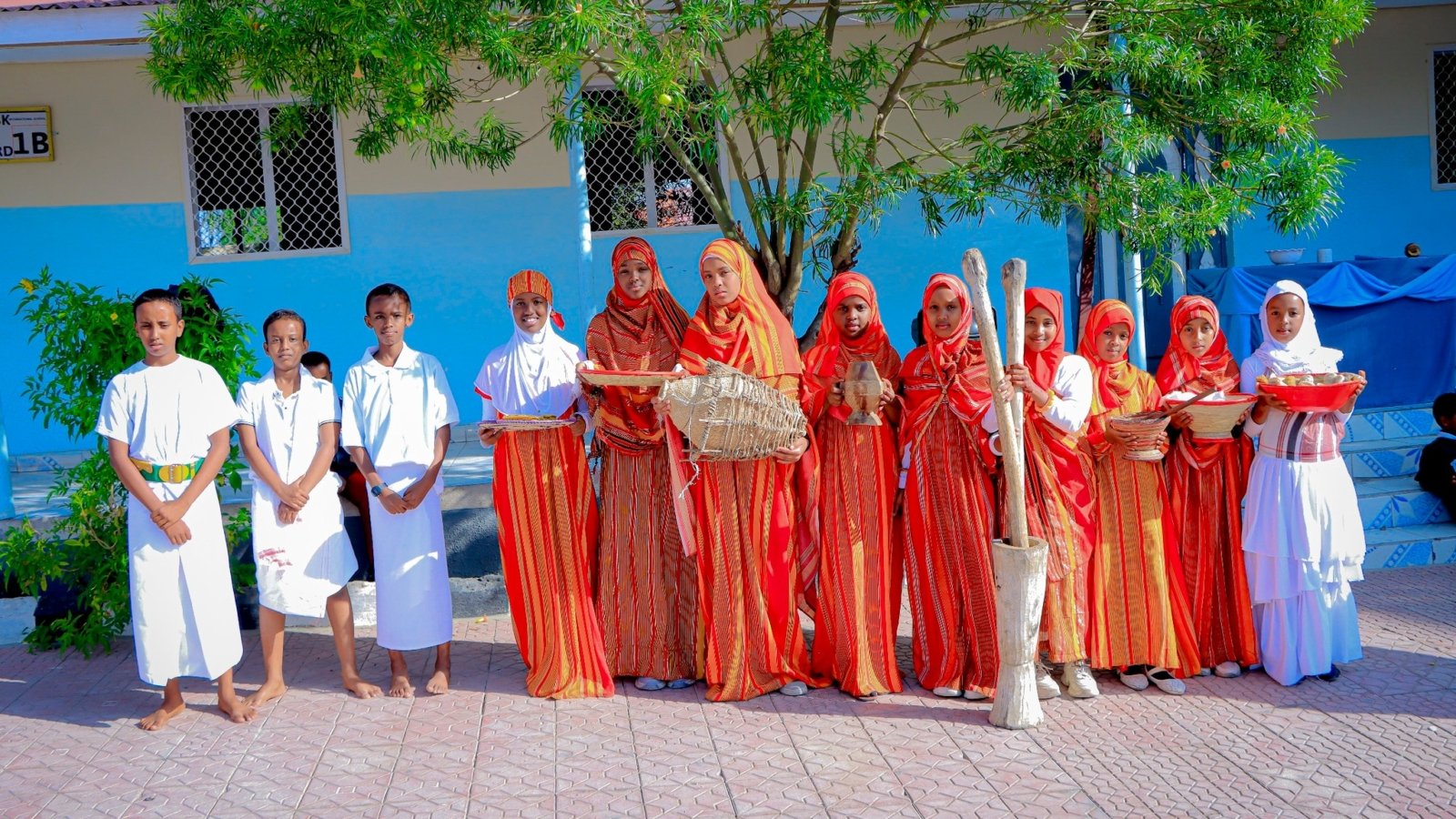
In schools around the world, there is one day each year that looks and feels different from all the others. Hallways burst with color. The air fills with unfamiliar music and enticing aromas. Children arrive dressed in clothing that tells stories—fabrics and patterns passed down through generations, styles that connect them to ancestors they never met. This is Culture Day, and while it may appear to be simply a celebration, it is actually one of the most powerful educational experiences a school can offer.
Culture Day matters. It matters for the child whose heritage is celebrated, for the classmate who learns about a new tradition, for the teacher who sees students in a new light, and for the school community that grows stronger through understanding. This article explores why Culture Day is essential for students—how it shapes identity, builds empathy, strengthens communities, and prepares young people for a diverse world.
What Is Culture Day?
More Than a Celebration
Culture Day is an event where students share and celebrate their cultural backgrounds—their family traditions, ancestral heritage, language, food, music, clothing, and customs. It might take the form of a multicultural fair, a heritage parade, an international food festival, or a day of performances and presentations. Whatever its format, Culture Day creates space for the diverse backgrounds within a school to be seen, honored, and appreciated.
But Culture Day is more than a celebration. It is an educational experience that addresses fundamental questions: Who am I? Who are my classmates? What do we share? What makes each of us unique? How can we live together respectfully?
A Response to Diversity
Schools today are more diverse than ever. Students come from every corner of the world, speaking hundreds of languages, practicing various religions, carrying different traditions and values. This diversity is a tremendous strength—but only if schools actively create conditions for it to be celebrated rather than ignored.
Culture Day responds to diversity by making it visible. Rather than pretending differences don’t exist, it brings them into the light. Rather than expecting assimilation to a single norm, it honors the many norms students bring. Rather than allowing some cultures to be seen as “normal” and others as “different,” it positions every culture as worthy of attention and respect.
The Benefits for Students
Identity Development: Knowing Who They Are
Childhood and adolescence are when identity forms. Students ask fundamental questions: Who am I? Where do I belong? What makes me who I am? For students from immigrant families, minority backgrounds, or cultures underrepresented in their school community, these questions can be particularly complex.
Culture Day provides powerful answers. When a student sees their traditional clothing displayed with pride, when they hear their family’s language spoken from a stage, when they share foods their grandmother makes and see classmates enjoying them—they receive a powerful message: This matters. This is valuable. This is part of who I am.
This message counters the subtle pressures to assimilate. Without celebration and recognition, students may internalize the message that their heritage is something to hide, something embarrassing, something to leave behind. Culture Day says the opposite: your heritage is beautiful, worth sharing, and respected by others.
Research consistently shows that students who have positive identification with their cultural heritage demonstrate:
- Higher self-esteem and confidence
- Better psychological well-being
- Greater resilience in facing discrimination
- Stronger academic motivation
- More positive attitudes toward school
When students know who they are, they can learn more effectively.
Leave A Comment